Skip to content

Industry News

MDHHS seeks input from older adults for new state plan

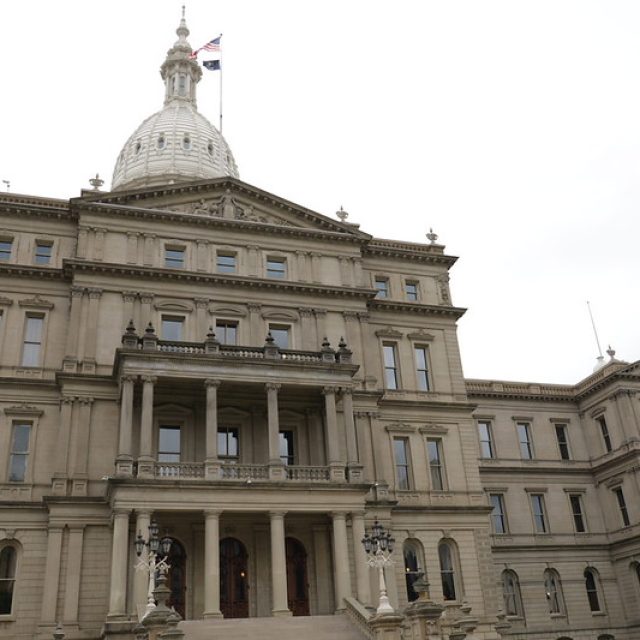
LANSING, Michigan. – The Michigan Department of Health and Human Services (MDHHS) Bureau of Aging, Community Living, and Supports (ACLS Bureau) is inviting the public to join Community Conversations online and throughout the state to discuss the needs of older adult residents.

State Units on Aging are tasked under the Older Americans Act with developing and administering a multi-year State Plan on Aging that provides goals and objectives related to assisting older residents, their families and caregivers. The State Plan on Aging serves as a blueprint that outlines coordination and advocacy activities to meet the needs of older adults and for building capacity for long-term care efforts.

MDHHS is seeking input regarding the needs and gaps in programs and services that impact quality of life for older residents. The Community Conversations will run through Wednesday, Nov. 20 at various locations across the state and in a separate online forum. Those interested in providing information on the needs of older adults are encouraged to participate in one of the community forums or complete a survey. The survey, which is available online and in paper form in English, Spanish and Arabic, will remain open through Monday, Dec. 15.

“Michigan is home to more than 2.4 million older adults, representing about one-quarter of the total state population,” said Elizabeth Hertel, MDHHS director. “The voices of Michigan’s older adults are critical to the development of a state plan that effectively addresses the needs of older adults and caregivers. These conversations provide the opportunity to hear directly from the public about their experiences related to aging, including their knowledge of available supports and services.”

The information gathered during the Community Conversations and from survey responses will be used to identify priorities for MDHHS in support of the health and well-being of Michigan’s older adult population. A draft plan will go before the State’s Commission on Services to the Aging for approval before being submitted to the Federal Administration for Community Living by Wednesday, July 1, 2026, for an effective date of Thursday, Oct. 1, 2026, and for implementation during Fiscal Years 2027 through 2029.

For a current list of Community Conversation locations, dates and times, or to access the survey, visit the State Plan on Aging webpage.

Space may be limited and organizers request RSVPs for planning purposes. Please RSVP to the locations listed in the schedule and contact the host sites for additional information regarding accessibility needs.


Media Contact: Laina Stebbins, 517-241-2112, StebbinsL@michigan.gov

Read More - Link to more about MDHHS seeks input from older adults for new state plan


Take the National Dementia Workforce Study Survey Before December 15

The National Dementia Workforce Study (NDWS) is being launched through an $81 million cooperative agreement with the National Institute on Aging (NIA) to develop and field new annual national surveys of the dementia care workforce, including physicians, nurses, and direct care workers across multiple care settings. The mission of NDWS is to launch the surveys successfully and, of equal importance, to build data infrastructure and dissemination to ensure NDWS becomes a resource for the broader community of researchers and policymakers. This collaborative, interdisciplinary endeavor is led by teams at the University of Michigan and the University of California, San Francisco, with several other university-based and non-profit partners.

Take the Survey - Link to more about Take the National Dementia Workforce Study Survey Before December 15


The HCBS Relief Act: A Timely Response to America’s Caregiving Crisis

The Home- and Community-Based Services (HCBS) landscape in the United States is at a critical juncture. A recent report highlighted that all states reported shortages of HCBS workers, most frequently among direct support professionals, personal care attendants, nursing staff, and home health aides. Additionally, most (43) states reported permanent closures of HCBS providers within the last year. The crisis is real, and it harms workers, individuals receiving services, and family members alike.

Read More - Link to more about The HCBS Relief Act: A Timely Response to America’s Caregiving Crisis

Senators Advocate for Improved Nursing Home Staffing Standards

In a bipartisan effort to address the ongoing staffing crisis in the nation’s nursing homes, U.S. Senators Bob Casey (D-PA) and Ron Wyden (D-OR) have taken the lead in urging the Center for Medicare & Medicaid Services (CMS) to finalize and implement proposed rules aimed at setting minimum staffing requirements for nursing homes. This step is seen as crucial in ensuring the safety and well-being of the 1.2 million residents in these facilities.

Read More - Link to more about Senators Advocate for Improved Nursing Home Staffing Standards

Why Can’t I Find a Home Care Worker?

Home care workers are a lifeline to millions of older adults and people with disabilities. Unfortunately, many of these workers are walking away from this sector to pursue better-paying jobs. As a result, it’s nearly impossible to find and retain a highly qualified home care worker these days.

In this episode of A Question of Care™, host Robert Espinoza speaks with Dr. Madeline Sterling, a doctor, researcher, and professor at Weill Cornell Medicine. They dive into her studies on home care workers, what they reveal about this job sector, and how the U.S. should transform these jobs to benefit everyone.

Read More - Link to more about Why Can’t I Find a Home Care Worker?

Forget National Caregivers Month. Think About What Family Caregivers Need

As November marks National Family Caregivers Month, a Commonwealth Fund-commissioned survey sheds light on the challenges faced by the 42 million family caregivers in the US. Despite their essential roles, caregivers express overwhelming stress, financial strain, and a lack of knowledge about available support services. The survey highlights the need for comprehensive reforms and increased awareness of existing assistance programs.

Read More - Link to more about Forget National Caregivers Month. Think About What Family Caregivers Need


PHI: U.S. needs to enact policies to support immigrants’ presence in direct care

PHI suggests creating pathways to citizenship and “caregiver visas” for immigrants in direct care, addressing workforce shortages. The report emphasizes improving job quality, training, and support for this vital sector.

Read More - Link to more about PHI: U.S. needs to enact policies to support immigrants’ presence in direct care